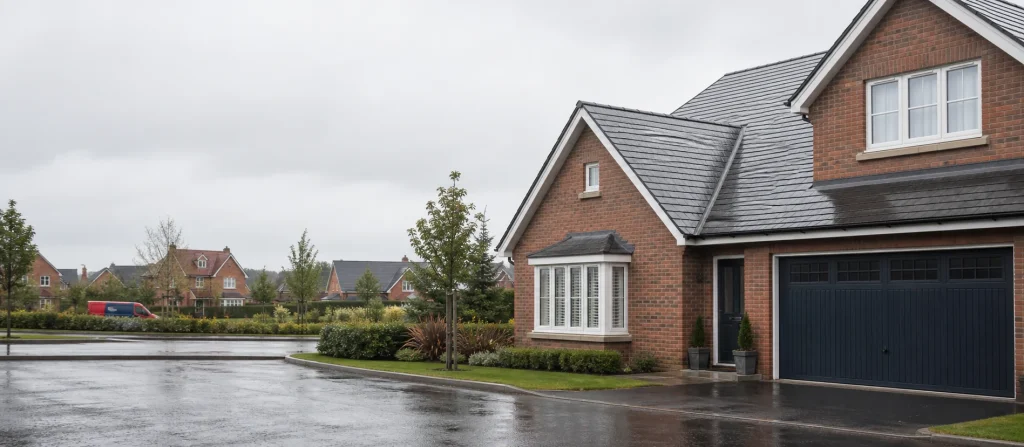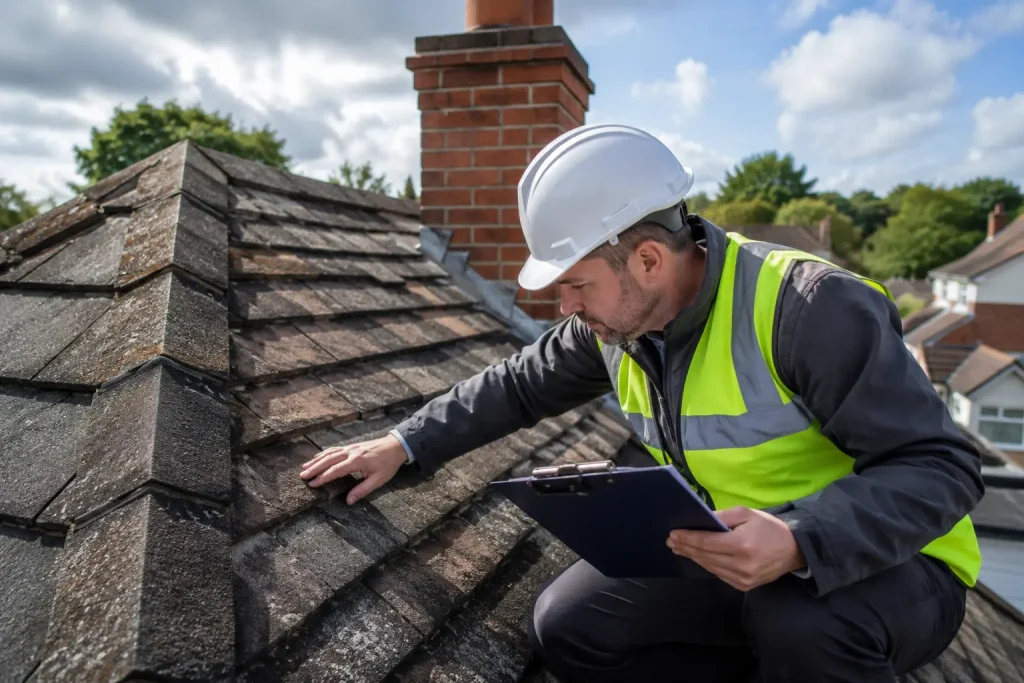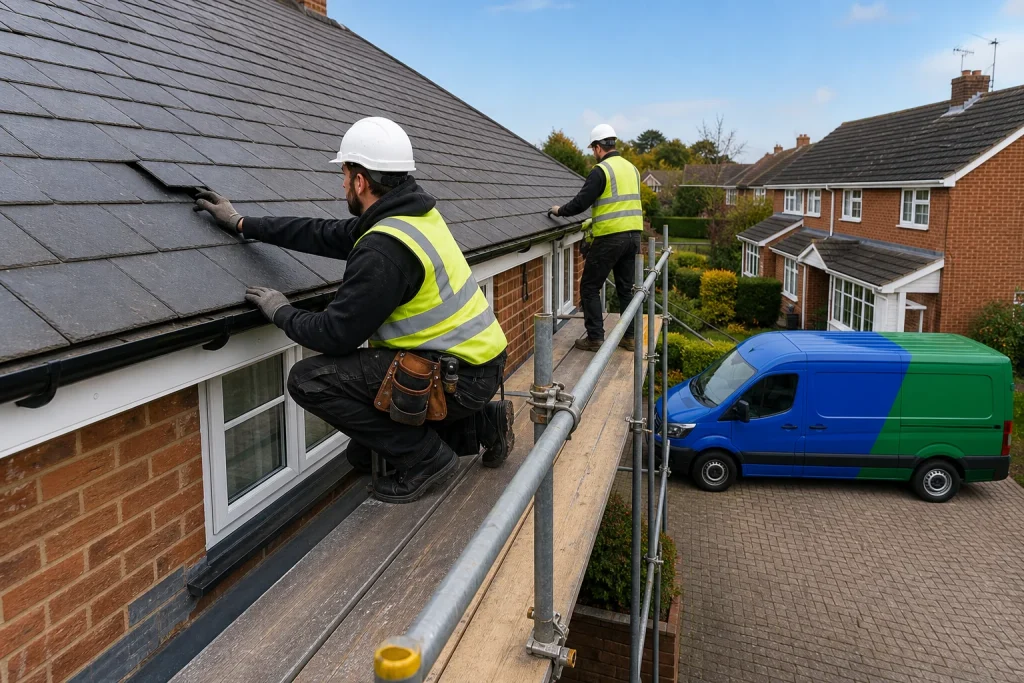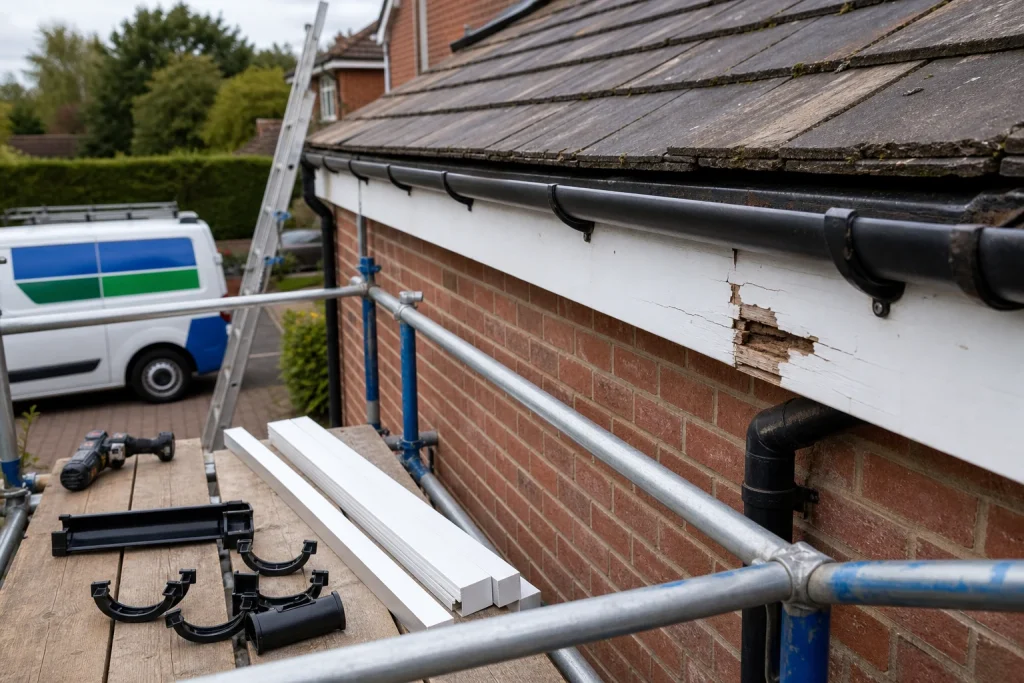
A leaking roof can quickly turn from a small annoyance into serious damage if it’s not handled properly. Water can spread behind walls, weaken timber, and ruin ceilings before you even realise how bad it is.
In this guide, we explain, step by step, what to do when your roof is leaking. You’ll learn how to limit damage, what temporary fixes actually work, and when it’s time to call in professionals.
Why a Roof Leak Needs Immediate Attention
A roof leak is more than just water coming through your ceiling. It often means something has already failed in your roofing system.
If ignored, it can lead to:
- Structural damage to timber and insulation
- Mould growth and damp issues
- Electrical hazards
- Expensive repairs later
That’s why acting quickly is the most important step.
Common Causes of Roof Leaks
Understanding the causes of roof leaks helps you respond better and prevent future problems.
The most common issues include:
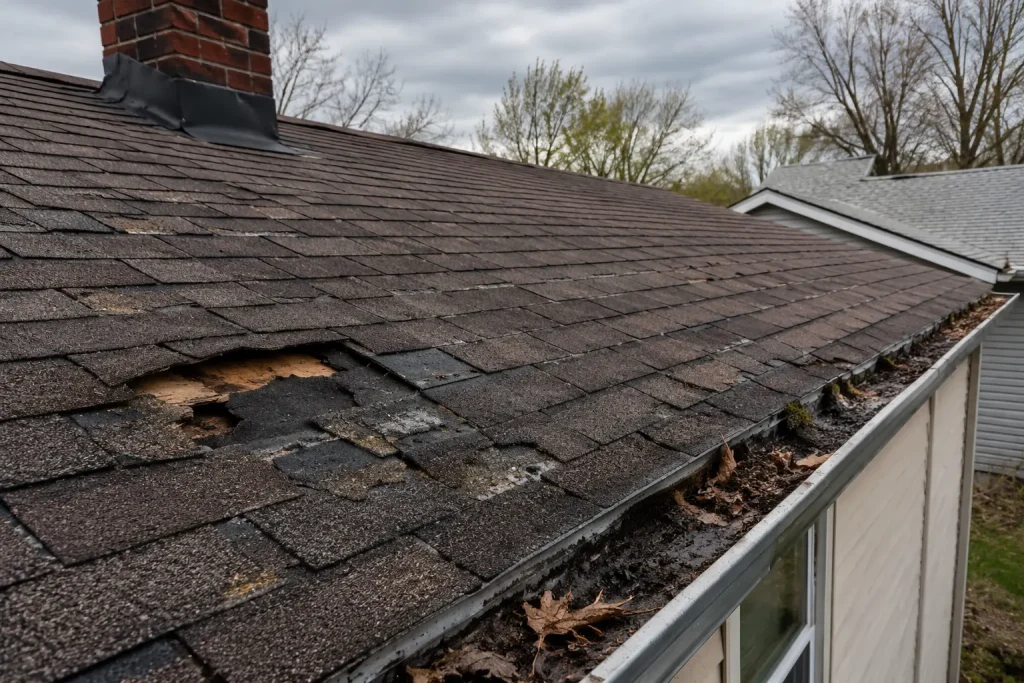
- Broken or missing tiles
- Damaged flashing around chimneys or vents
- Blocked gutters causing water overflow
- Ageing roofing materials
- Poor installation or past repairs
If your gutters are overflowing, it may be worth checking your guttering, soffits & fascias
Signs of Roof Damage You Shouldn’t Ignore
Sometimes the leak isn’t obvious straight away. Watch for these early signs of roof damage:
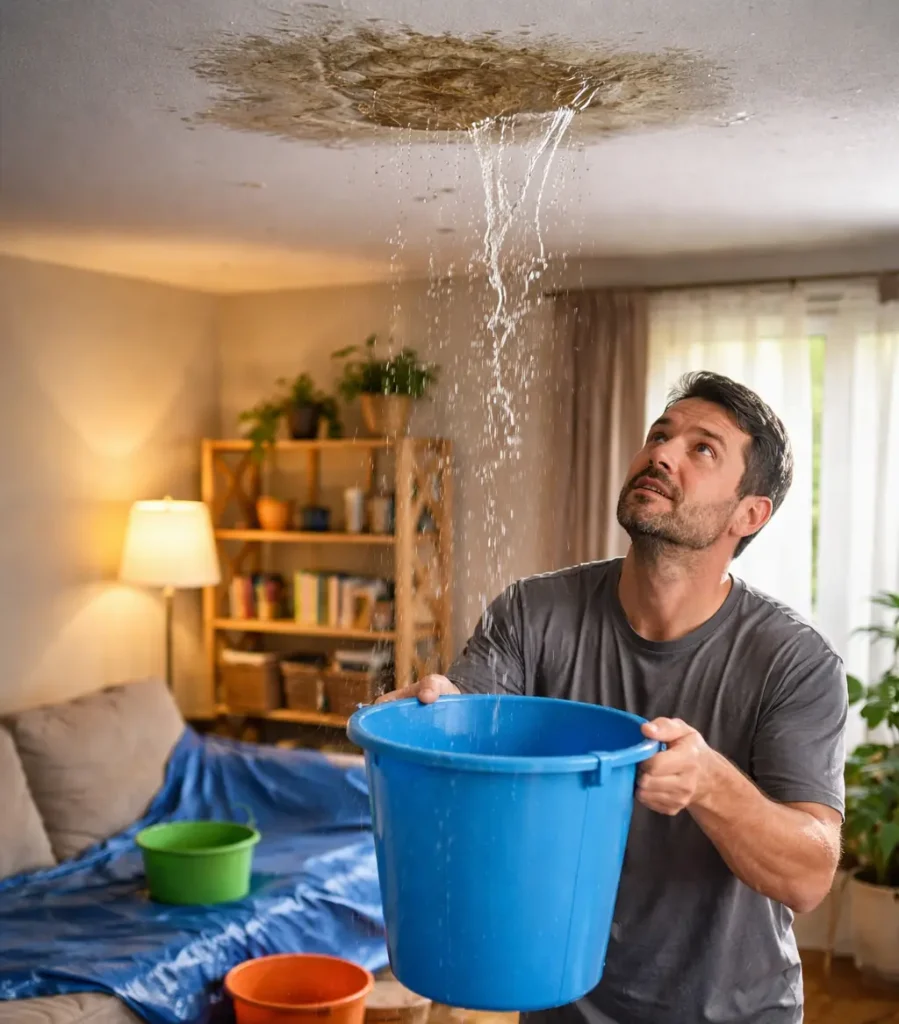
- Water stains on ceilings or walls
- Damp patches or peeling paint
- Dripping water during rain
- Musty smells in the loft
- Visible mould or mildew
If you notice any of these, it’s time to act.
Step-by-Step: What to Do When Your Roof Is Leaking
Step 1: Stay Calm and Contain the Water
The first thing to do is limit internal damage.
- Place buckets or containers under drips
- Move furniture and valuables away
- Use towels to soak up excess water
If water is coming through a light fitting, switch off the electricity in that area for safety.
Step 2: Identify Where the Water Is Coming From
Finding the exact source isn’t always easy because water can travel.
Check:
- Your loft for damp insulation or water trails
- The ceiling for the highest wet point
- Outside (from ground level) for visible damage
This will help when explaining the issue to a professional.
Step 3: Use a Temporary Fix (If Safe)
If you’re wondering how to fix a leaking roof temporarily, here are safe short-term options:
- Place a waterproof sheet or tarp over the affected area (if accessible)
- Use a bucket or plastic sheet in the loft to redirect water
- Clear blocked gutters if they’re causing overflow
These are only temporary solutions. They help stop roof leakage during rain but do not fix the root problem.
Step 4: Protect Your Home Interior
Even a small leak can spread quickly.
- Cover the flooring and furniture
- Remove soft items like rugs and curtains
- Ventilate the space to reduce damp
This step is often overlooked but can save you from costly interior repairs.
Step 5: Call a Professional Roofer
This is the most important step.
If you’re unsure when to call a roofing contractor, the answer is simple: as soon as you notice a leak.
Roofing work involves height, safety risks, and proper materials. A professional will:
- Identify the exact cause
- Carry out proper repairs
- Check for hidden damage
What to Do During Heavy Rain
If you’re dealing with what to do when your roof is leaking in heavy rain, focus only on safety and containment.
- Do not attempt to climb onto the roof
- Keep collecting water and protecting interiors
- Wait until conditions are safe before inspecting further
Temporary control is enough until proper repairs are carried out.
Real Example: How a Small Leak Became a Big Problem
We’ve seen cases where a small ceiling stain was ignored for weeks.
By the time repairs were requested:
- Timber had started to rot
- Insulation was soaked
- Mould had spread across the loft
What could have been a simple repair turned into a much larger job. Acting early always saves money and stress.
Roof Leak Prevention Tips
Prevention is always easier than repair. Here are simple roof leak prevention tips:
- Inspect your roof at least once a year
- Clear gutters regularly
- Replace damaged tiles quickly
- Check flashing around chimneys and vents
If you want ongoing protection, explore our full roofing services.
Common Mistakes to Avoid
Many homeowners try to fix leaks quickly, but make things worse. Avoid these:
- Ignoring small leaks
- Using DIY sealants as a permanent fix
- Walking on the roof without proper safety
- Delaying professional inspection
These mistakes often lead to higher repair costs.
Quick Emergency Roof Leak Checklist
If you need a fast reminder, follow this:
- Contain the water
- Protect your belongings
- Identify the source (if possible)
- Apply a temporary fix
- Call a professional roofer
How We Can Help
At CPS Roofing & Building, we understand how stressful a roof leak can be. We act quickly to find the source of the problem and carry out reliable repairs that last. Whether it’s a small issue or something more serious, we focus on practical solutions that protect your home and prevent further damage.
Our team handles everything from inspections to full repairs, making the process simple and hassle-free for you. If you’re dealing with a leak or want peace of mind before the next spell of bad weather, contact us today and we’ll be happy to help.
FAQs
What should I do first when my roof starts leaking?
Start by containing the water and protecting your belongings. Then contact a professional roofer as soon as possible.
Can I fix a leaking roof from inside?
You can manage water temporarily from inside using buckets or plastic sheeting, but proper repair must be done externally.
How serious is a small roof leak?
Even a small leak can cause major damage over time. It’s always best to fix it early.
How long can I leave a roof leak?
You should not leave a leaking roof unattended for even a few days. The longer you wait, the worse and more expensive the damage becomes.