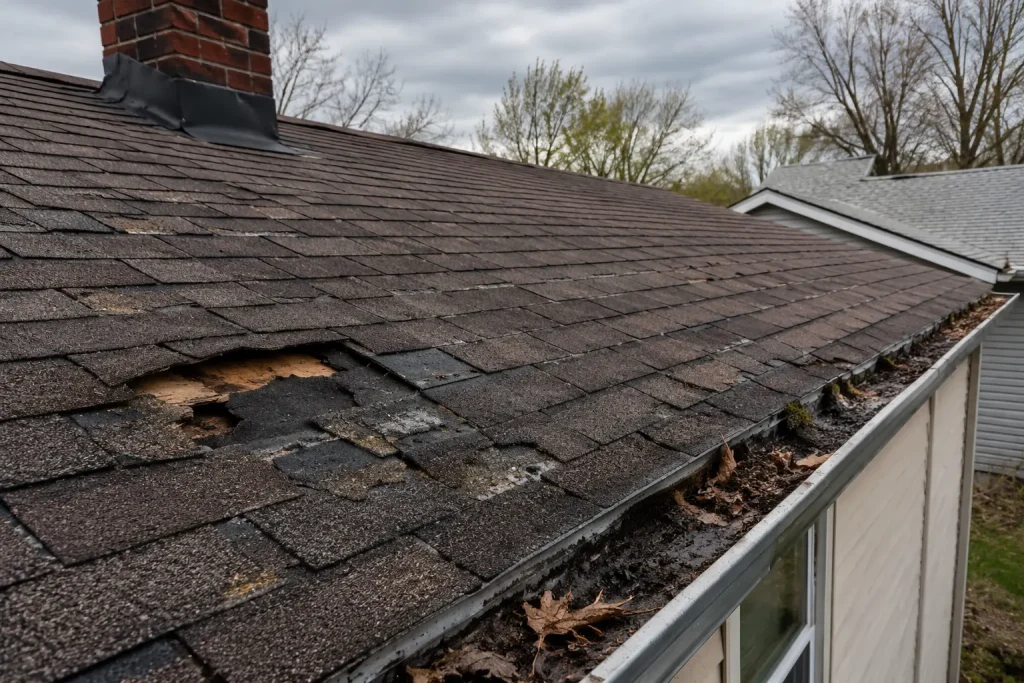
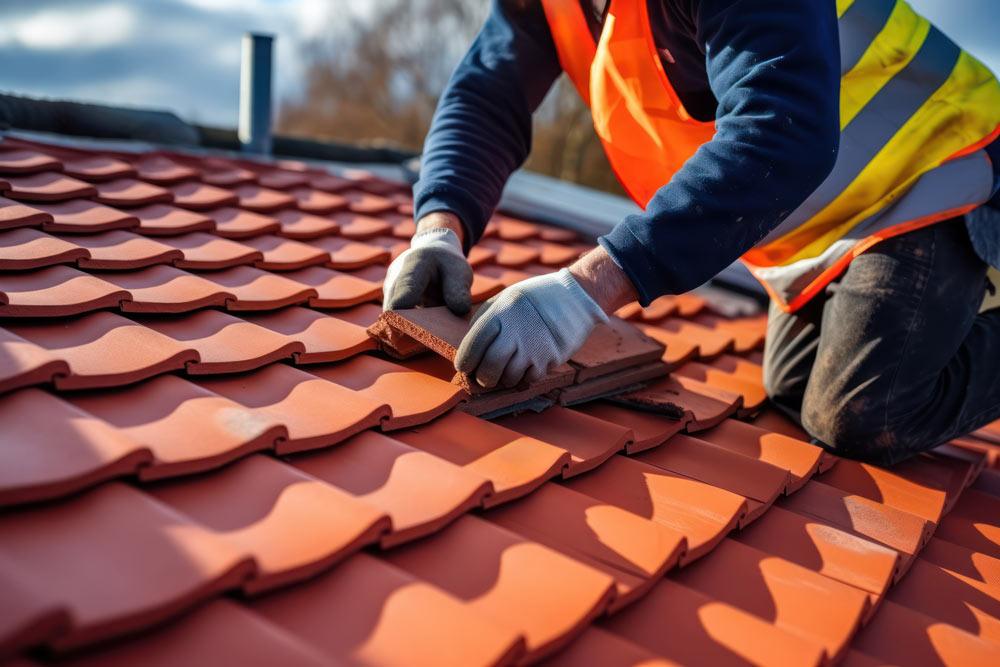
Your roof is one of the most important parts of your home—it protects you, your family, and your belongings from the elements. Yet it’s also one of the most neglected. Many homeowners only think about their roof when a leak appears or after a severe storm. By then, small problems can have turned into expensive repairs.
Regular roof maintenance is the key to avoiding unnecessary costs, extending your roof’s lifespan, and ensuring it performs at its best all year round.
In this guide, we’ll walk through essential roof maintenance tips to help you prevent costly damage and keep your home safe and dry.
1. Schedule Regular Roof Inspections
Just like your car needs a yearly service, your roof needs periodic check-ups to stay in good condition.
How often?
-
At least twice a year—ideally in spring and autumn
-
After severe weather such as storms, heavy snow, or strong winds
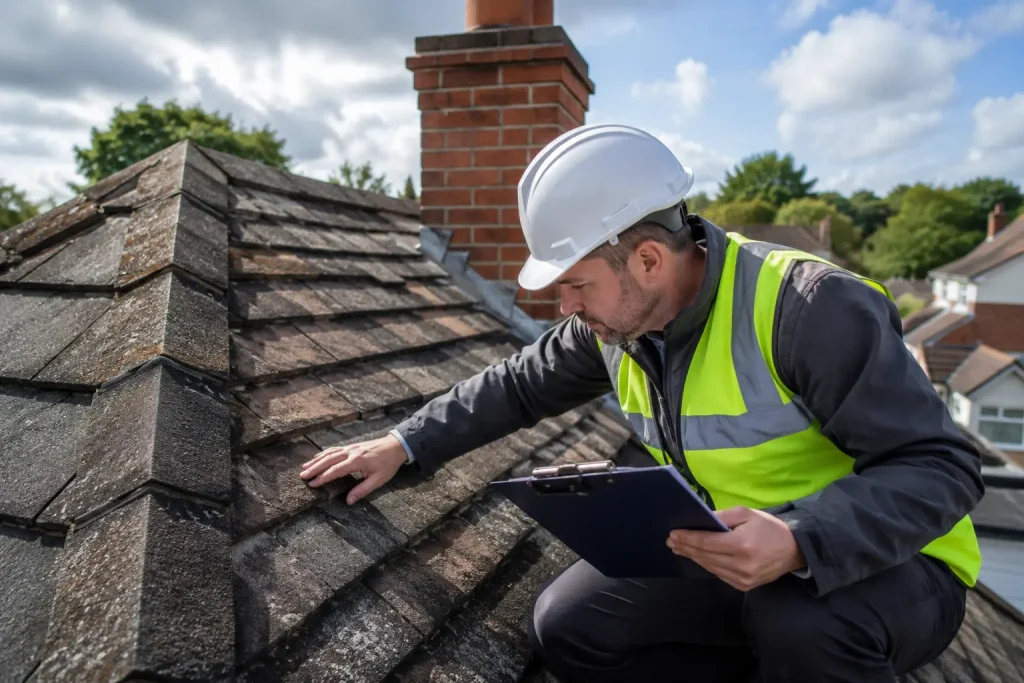
A professional inspection can spot problems like loose tiles, cracked flashing, or blocked gutters before they escalate. Even if you choose to check your roof from the ground with binoculars, having a roofer carry out a thorough inspection once a year is a wise investment.
2. Keep Gutters Clean and Flowing
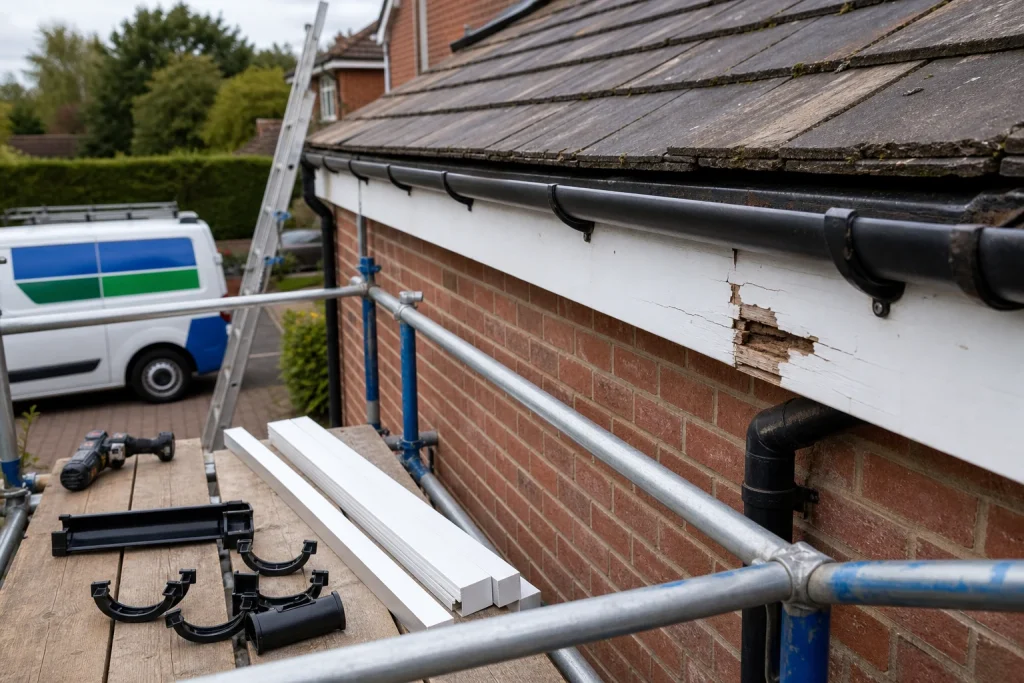
Blocked gutters are one of the most common causes of roof damage. When leaves, moss, and debris clog your guttering, water can overflow and seep under your roofline, causing rot, damp, and damage to fascias and soffits.
Maintenance tips:
-
Clear gutters at least twice a year (more often if you have overhanging trees)
-
Check downpipes for blockages
-
Make sure gutter brackets are secure and at the correct angle for water flow
Clean, well-maintained gutters keep water moving away from your home—protecting both the roof and the foundations.
3. Remove Moss and Algae Growth
Moss may give your roof a “charming” rustic look, but it can trap moisture and cause tiles to lift or crack. Over time, this can lead to leaks and deterioration.
Safe removal methods:
-
Use a soft brush to gently remove moss (never a pressure washer—it can damage roofing materials)
-
Apply a moss-killing treatment to slow regrowth
-
Improve ventilation and sunlight exposure where possible
For large areas or steep roofs, always hire a professional to avoid damaging the roof or risking injury.
4. Check and Maintain Flashing
Flashing is the metal (or sometimes plastic) material that seals joints and edges around chimneys, skylights, vents, and roof valleys. It’s one of the first places leaks occur if damaged or improperly installed.
Inspection checklist:
-
Look for cracks, rust, or gaps in the flashing
-
Ensure it is firmly secured and sealed
-
Replace any sections showing signs of wear
Replacing faulty flashing is far cheaper than repairing water damage inside your home.
5. Trim Overhanging Branches
Trees close to your property can be beautiful, but overhanging branches pose a risk to your roof. In strong winds, they can scrape against tiles, damage guttering, or even fall onto the roof.
Preventive measures:
-
Trim branches back at least 2 metres from the roof surface
-
Remove dead or weakened limbs before they become a hazard
-
Watch for falling leaves that could clog gutters
This not only protects your roof but also reduces moss growth caused by shade and dampness.
6. Check Attic Ventilation and Insulation
Roof problems don’t always start outside—issues inside your loft or attic can contribute to damage. Poor ventilation can cause condensation, leading to timber rot and mould. In winter, inadequate insulation can cause heat loss, contributing to ice dams on roofs in colder climates.
Maintenance steps:
-
Ensure your attic vents are clear and unobstructed
-
Check insulation for even coverage and signs of damp
-
Look for daylight showing through the roof—this could indicate gaps or missing tiles
A healthy attic environment supports a healthy roof.
7. Address Small Problems Promptly
A loose tile, a small leak, or a damaged gutter joint may seem minor, but these issues rarely stay small for long. Water can travel surprisingly far from the point of entry, causing hidden damage to insulation, walls, and ceilings.
Golden rule: Fix minor issues immediately—don’t wait until they become major repairs.
8. Protect Against Storm Damage
The UK’s unpredictable weather means roofs can be battered by high winds, heavy rain, and hail. Preparing your roof for storms can help minimise damage.
Storm-proofing tips:
-
Secure loose tiles and flashing before winter
-
Ensure gutters and downpipes are clear to handle heavy rain
-
Consider storm straps or fasteners for areas prone to high winds
After a storm, inspect your roof for new damage—even small cracks can become big leaks later.
9. Know Your Roof’s Lifespan
Every roof material has a limited lifespan:
-
Slate: 50–100 years
-
Clay tile: 50+ years
-
Asphalt shingles: 15–30 years
-
EPDM rubber roofing: 25–30 years
-
GRP fibreglass: 25–30 years
Knowing your roof’s age can help you plan ahead for replacement before issues arise. If your roof is nearing the end of its expected life, more frequent inspections are crucial.
10. Use Qualified Professionals
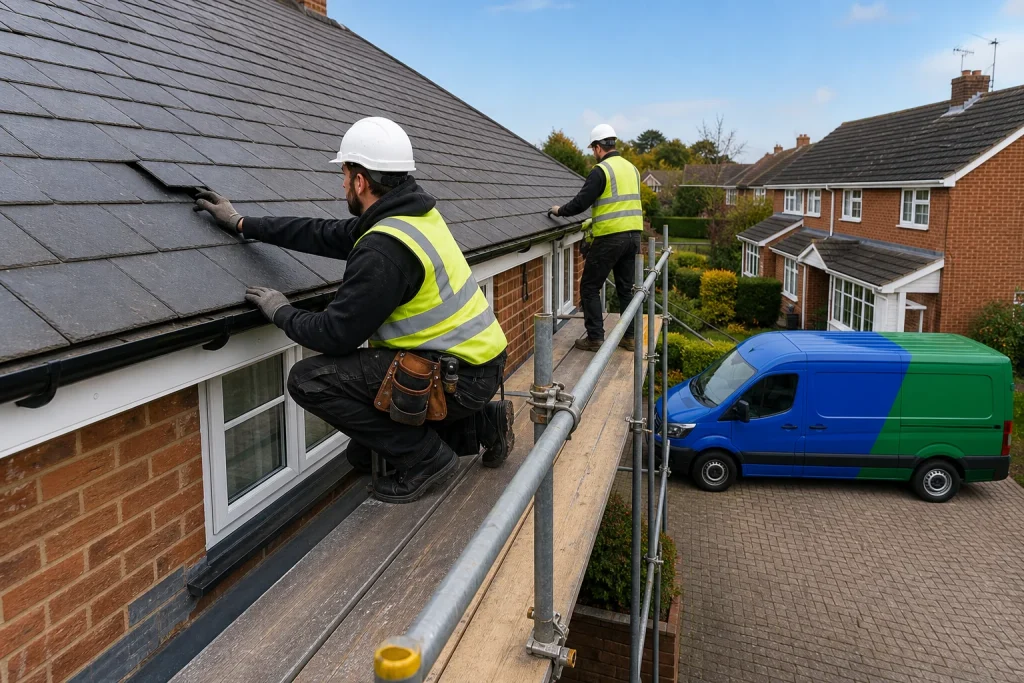
While some maintenance tasks (like clearing gutters) can be DIY jobs, anything involving climbing onto the roof should be handled by a professional. Roofing is dangerous work and requires the right equipment and expertise to be done safely and effectively.
A qualified roofer can:
-
Spot issues the untrained eye might miss
-
Use correct materials and installation techniques
-
Provide warranties for work carried out
Choosing a reputable contractor may cost more upfront, but it can save you from repeat repairs and potential safety hazards.
The Cost of Neglect
Failing to maintain your roof can have serious financial consequences. Problems like rot, damp, and structural damage are far more expensive to fix than preventative maintenance. For example:
-
A blocked gutter might cost £50–£100 to clear, but repairing water damage to walls and ceilings could run into thousands.
-
Replacing a few cracked tiles early could prevent a leak that damages insulation, plasterwork, and electrics.
Think of roof maintenance as an insurance policy—you spend a little now to save a lot later.
Final Thoughts
Your roof works hard to protect your home, but it needs regular care in return. By scheduling inspections, keeping gutters clear, addressing small problems promptly, and hiring qualified professionals when needed, you can extend your roof’s life and avoid the stress and cost of emergency repairs.
A little attention goes a long way. The more proactive you are with roof maintenance, the less likely you are to face major damage—and the bills that come with it.
If you’re in Cornwall and need help keeping your roof in top condition, CPS Roofing & Building offers expert maintenance services, repairs, and replacements. Our family-run team combines decades of experience with a commitment to quality, ensuring your roof stays strong, secure, and weather-ready all year round.