It is easy to ignore a slipped tile or a faint damp patch on the ceiling. Life gets busy, and if the issue does not seem urgent, it often slips down the priority list.
You might tell yourself it can wait until spring, or until there is a bit more room in the budget.
The trouble is, roofing problems rarely stay the same. What appears minor at first glance can quietly develop into something far more disruptive.
Delaying repairs may seem like a way to save money, yet it often leads to higher costs and more stress in the long run.
Minor Damage Rarely Stays Minor
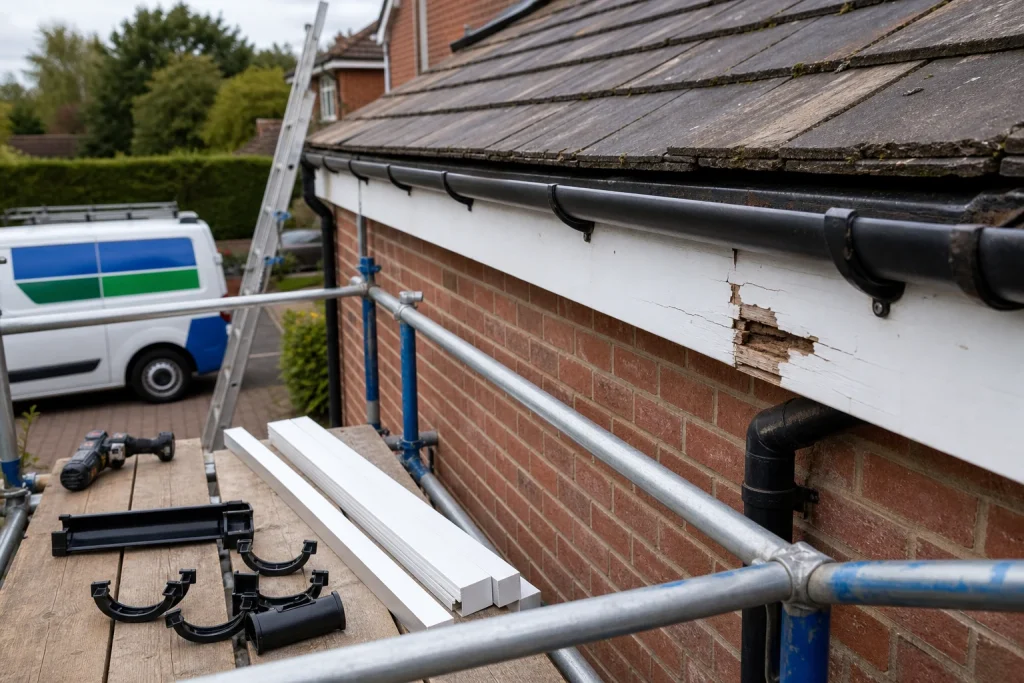
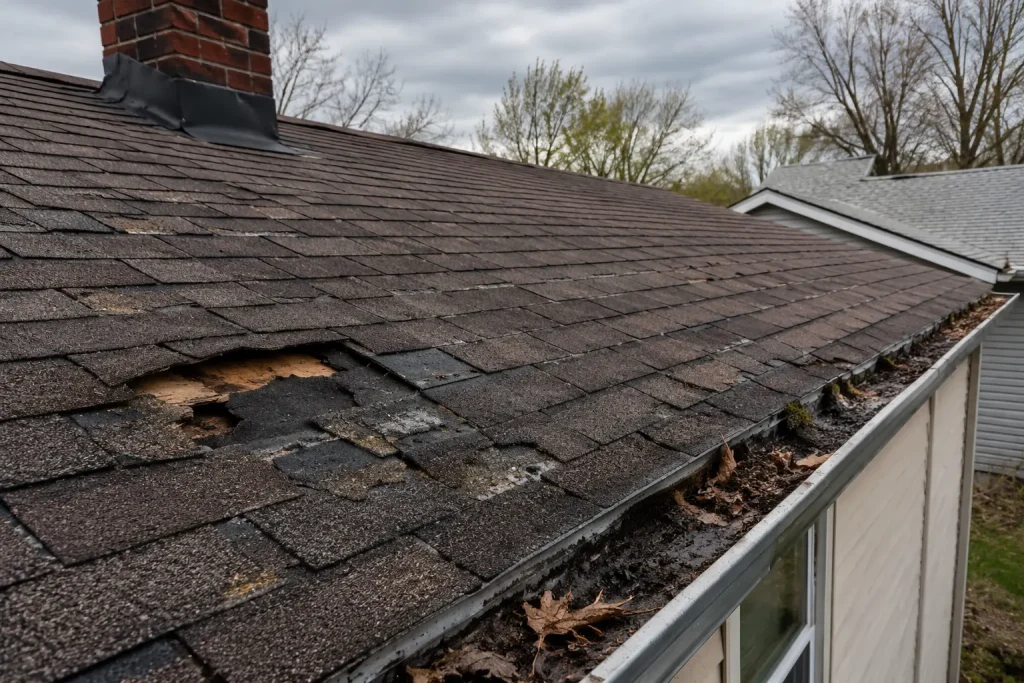
A single cracked tile or loose ridge can allow water to creep beneath the surface. In the UK, with frequent rain, strong winds and temperature changes, even a small weakness can be exposed again and again.
Over time, that repeated exposure tends to widen gaps and worsen damage.
Roofing systems are designed to work as a whole. When one part fails, surrounding areas often take on extra strain.
What might have been resolved with a straightforward repair can gradually turn into damaged underlay, weakened battens, or more extensive sections needing replacement.

The Risk of Water Damage Inside the Home
Water has a habit of finding the easiest route. A minor leak in the roof may eventually show up as a stained ceiling, peeling paint or bubbling plaster.
At first, it can look cosmetic, but the source usually lies deeper.
Left unchecked, moisture can affect insulation, timber joists and even internal walls. Damp conditions may encourage mould growth, which is unpleasant and potentially harmful.
By the time these signs become obvious, the repair bill often extends well beyond the roof itself.
Rising Repair Costs Over Time
A small repair might involve replacing a few tiles and resealing flashing. That sort of work is typically manageable in both cost and time.
Once water has penetrated further, however, additional labour and materials are usually required.
If structural timbers have begun to rot or large sections of roofing felt are compromised, the job becomes far more involved.
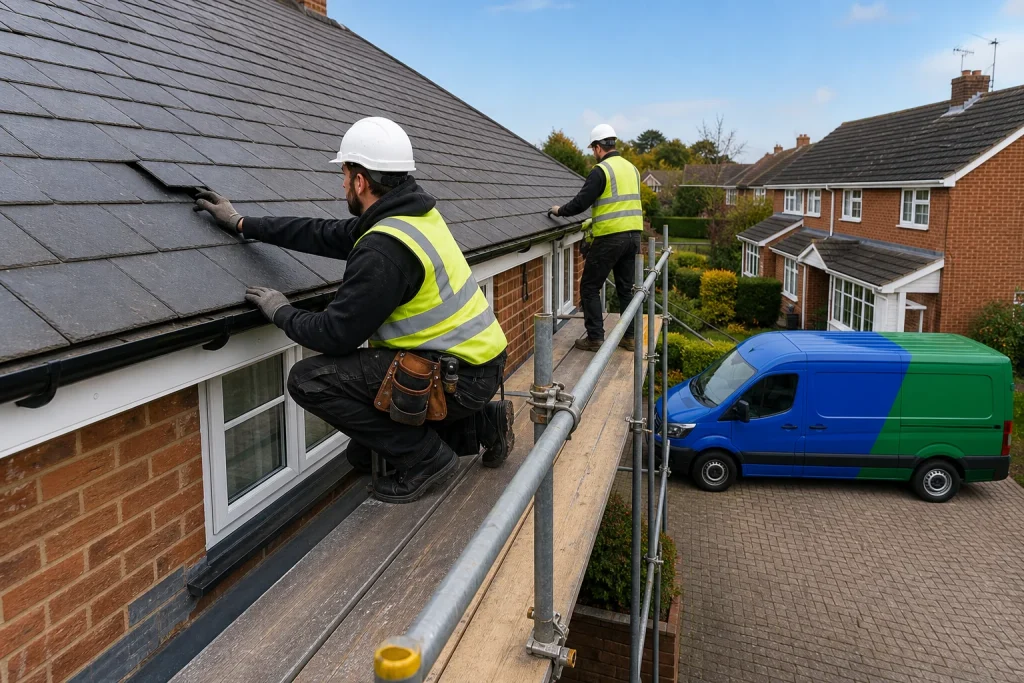
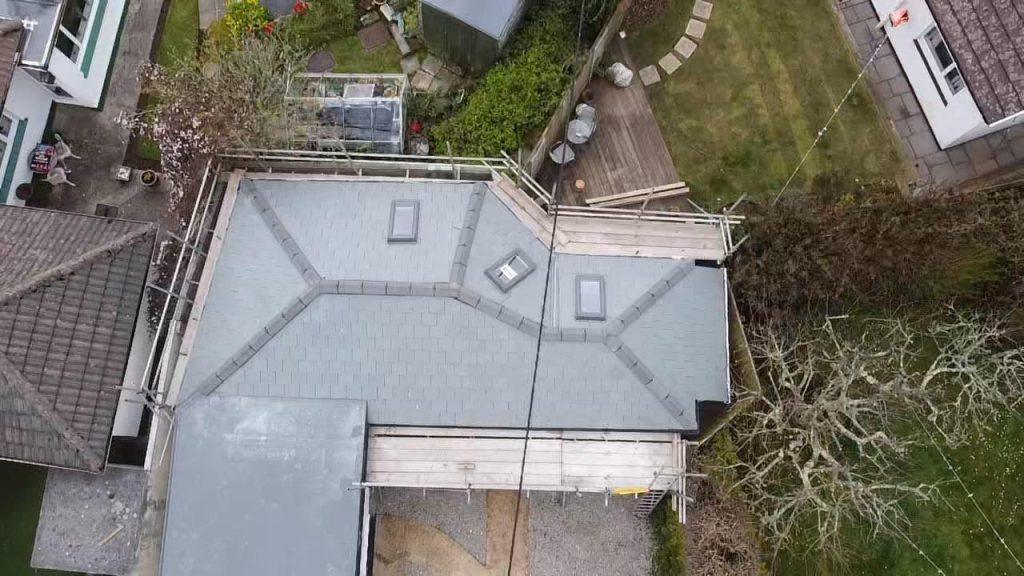
Scaffolding may be needed for longer, and more of the roof may need to be stripped back. What could have been addressed in a day can turn into a much larger project.
Impact on Energy Efficiency
Your roof plays a significant role in keeping heat inside your home. When tiles are damaged or the underlay is torn, cold air can enter, and warm air can escape more easily.
The effect might not be dramatic at first, but over months it can become noticeable on your energy bills.
Insulation that has been dampened by a leak does not perform as it should. You may find yourself turning the heating up more often without realising the roof is part of the problem.
In that sense, delaying repairs may quietly cost you money every winter.

Property Value and Saleability
If you plan to sell your property in the future, the condition of the roof will almost certainly be scrutinised. Surveyors tend to flag visible defects, even if they appear minor.
Buyers may then request reductions in price or insist on repairs before proceeding.
A well maintained roof, on the other hand, reassures potential buyers. It suggests the property has been cared for properly.
Addressing issues early can help protect the overall value of your home and avoid awkward negotiations later on.
Insurance Complications
Many homeowners assume their insurance will cover any significant roof damage. While policies often cover sudden events such as storms, they may not cover issues that result from a lack of maintenance.
If a problem has clearly worsened over time, insurers may question a claim.
It is worth reviewing your policy terms to understand what is expected of you as the property owner.
Keeping on top of repairs can help ensure you are not left covering the full cost of extensive damage that might have been prevented.
Safety Concerns
Beyond cost, there are practical safety risks to consider. Loose tiles can fall during high winds, posing a danger to people below.
Internally, prolonged damp can weaken timber structures and, in some cases, affect electrical systems.
Emergencies are rarely convenient. A ceiling collapse or sudden leak during heavy rain can cause disruption and require urgent call outs.
Acting sooner rather than later reduces the likelihood of facing an avoidable crisis.
Conclusion
Delaying roof repairs can feel like a sensible short term decision, especially when budgets are tight. Yet the evidence often suggests the opposite.
Small defects tend to grow, costs increase, and the inconvenience becomes harder to ignore.
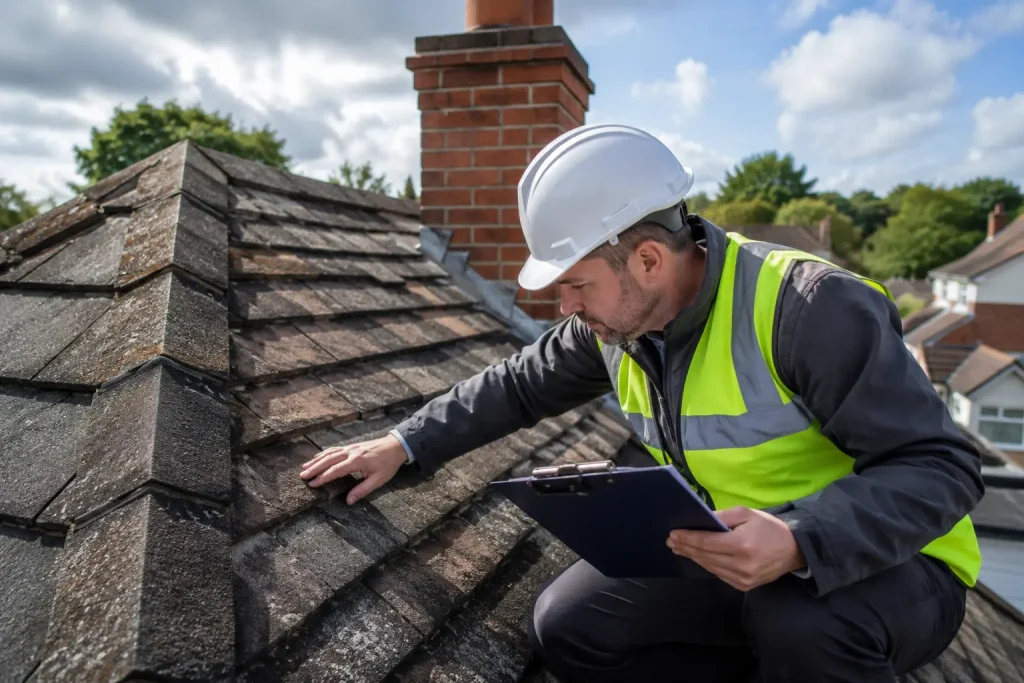
Taking a proactive approach, whether through regular inspections or prompt repairs, is likely to protect both your property and your finances.
In many cases, dealing with the issue early is not just practical; it is the more economical choice in the long run.