When it comes to protecting your home, your roof is the first line of defence against the elements. It shields you from rain, wind, snow, and harsh sunlight, while helping maintain energy efficiency and structural integrity. But like any part of your property, a roof doesn’t last forever.
If you’ve noticed issues cropping up, you may be wondering: Should I repair my roof, or is it time to replace it entirely? This decision can be daunting—especially when weighing the cost, disruption, and long-term value.
In this article, we’ll explore five clear signs that replacing your roof may be the smarter choice over continual repairs.
1. Your Roof Is Reaching the End of Its Lifespan
Every roofing material has a typical lifespan. Once your roof approaches (or exceeds) this age, repairs often become a temporary fix rather than a long-term solution.
Average lifespan of common roofing materials:
-
Slate: 50–100 years (sometimes more if well maintained)
-
Clay tiles: 50+ years
-
Asphalt shingles: 15–30 years
-
Fibreglass/GRP flat roofs: 20–30 years
-
EPDM rubber roofs: 25–30 years
If your roof is nearing these limits, its overall structural integrity may be compromised, even if only small areas look damaged. Materials naturally degrade over time—UV rays, rain, frost, and wind all contribute to gradual wear.
Tip: Check your home’s records or contact a previous owner to confirm installation dates. If your roof is already “on borrowed time,” replacement can prevent repeated patch-ups and escalating costs.
2. Widespread Damage or Deterioration
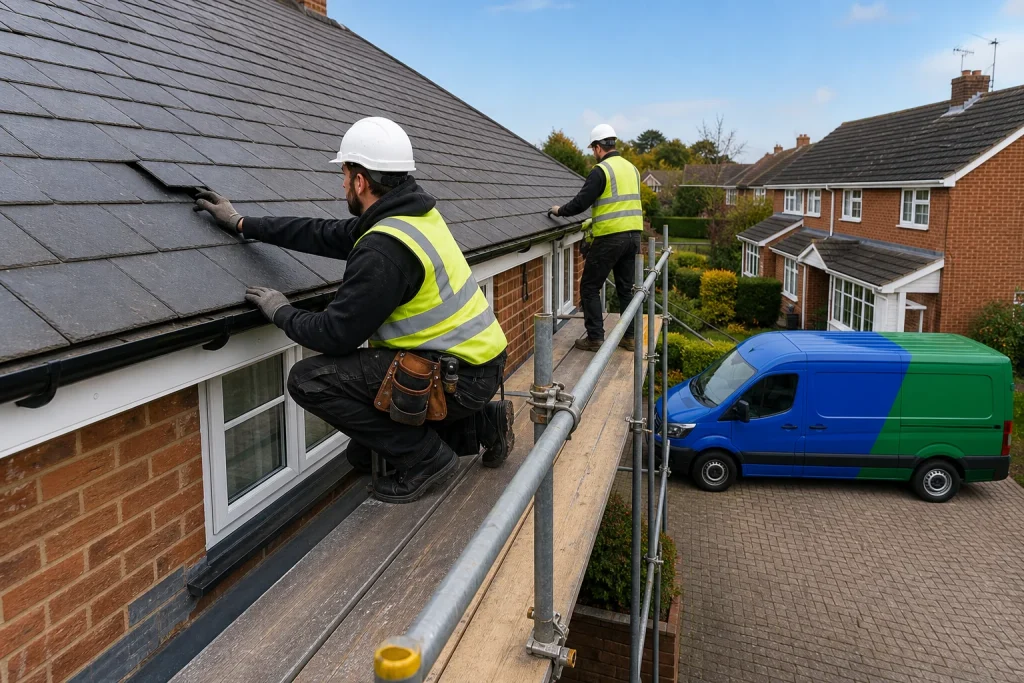
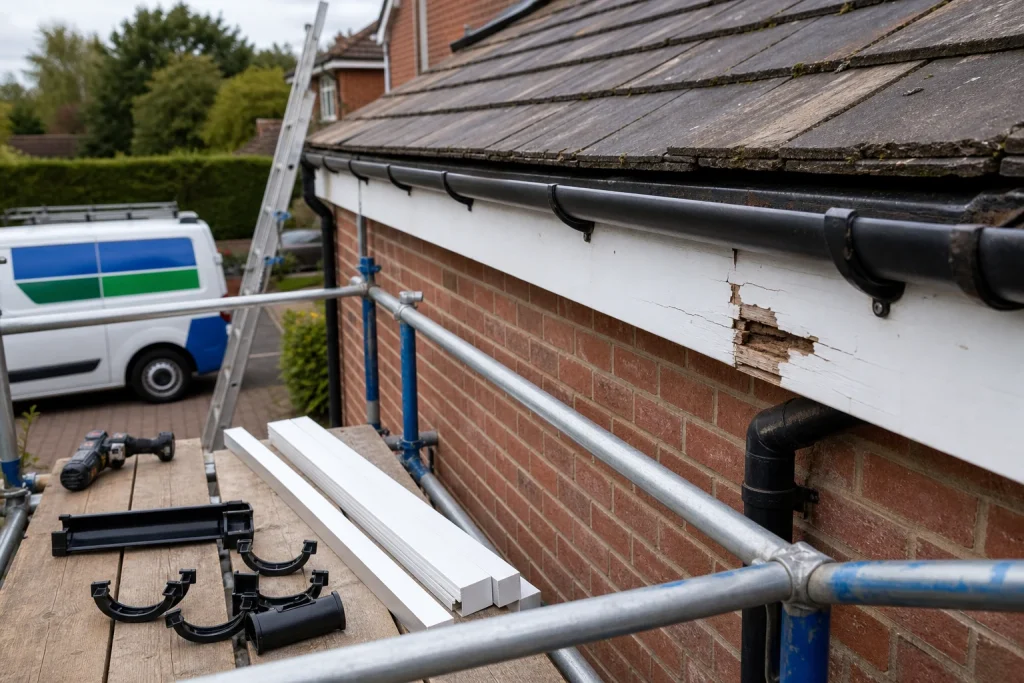
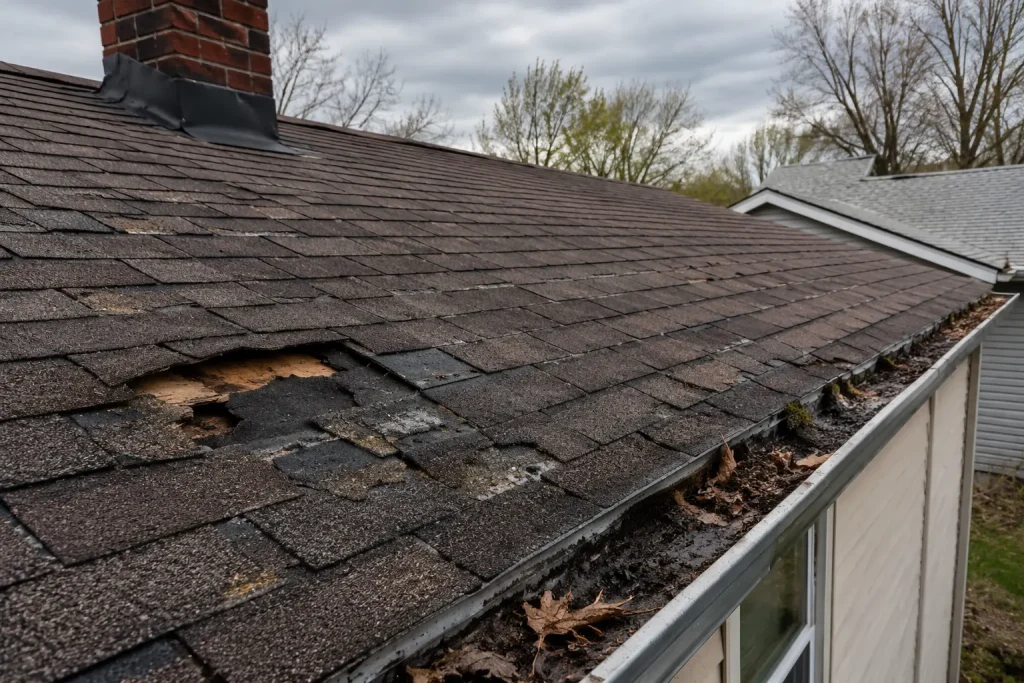
A few missing tiles or a small patch of worn felt can usually be repaired without much trouble. However, if damage is widespread across your roof, repair costs can quickly approach or exceed the price of replacement.
Common indicators of extensive damage include:
-
Large sections of missing or broken tiles/slates
-
Multiple leaks across different areas
-
Significant sagging or unevenness in the roofline
-
Extensive moss or algae growth is damaging the surface
When damage is scattered across the roof rather than isolated, a full replacement often offers better long-term value, ensuring all problem areas are addressed at once.
3. Persistent Leaks Despite Previous Repairs
A leaky roof is one of the most obvious warning signs, but what matters most is frequency and location. If you’ve repaired the same leak more than once—or new leaks keep appearing elsewhere—there may be a deeper structural problem at play.
Possible underlying issues include:
-
A failing underlayment or felt layer
-
Compromised flashing around chimneys, vents, or valleys
-
Rotten timbers beneath the roofing material
At this stage, patch repairs are like putting plasters on a sinking ship—they may slow the problem but won’t solve it. Replacing the roof gives you a clean slate and a solid, watertight barrier.
4. Rising Energy Bills
Your roof doesn’t just keep out water—it also plays a crucial role in your home’s insulation. A failing roof can let warm air escape in winter and allow heat to penetrate in summer, forcing your heating or cooling systems to work harder.
Signs your roof may be affecting efficiency:
-
Drafts or cold spots upstairs
-
Noticeably warmer rooms under the roof in summer
-
Unexplained increases in energy usage
Modern roofing systems often include improved insulation and ventilation features, helping you reduce bills while keeping your home more comfortable year-round. If your roof is a known weak point in your property’s thermal envelope, replacing it can be a smart energy-saving investment.
5. Visible Structural Problems
Beyond surface wear and leaks, some roofing issues point to more serious structural concerns that demand urgent attention.
Critical warning signs include:
-
Sagging rooflines or dips in the surface
-
Bowing in supporting timbers visible from the loft
-
Water stains, mould, or rot in the roof decking or rafters
-
Loose or crumbling chimney masonry impacting the roof’s stability
Structural problems usually stem from prolonged water ingress or excessive load (such as snow). In these cases, replacement isn’t just about aesthetics or efficiency—it’s about safety.
Deciding Between Repair and Replacement
If your roof shows one or more of these signs, it’s time to weigh your options. Here’s a quick decision framework:
Choose Repair if:
-
Damage is localised to a small area
-
The roof is relatively new or mid-life
-
Repairs cost significantly less than a proportionate share of replacement
Choose Replacement if:
-
The roof is at or near its lifespan limit
-
Damage is widespread or structural
-
Leaks are persistent and recurring
-
Repairs would be a large percentage of the full replacement cost
Benefits of Replacing Your Roof
While the upfront cost of replacement can seem daunting, it brings several benefits beyond simply fixing current problems:
-
Long-term peace of mind: No more patchwork repairs or constant monitoring
-
Improved property value: A new roof is a major selling point for buyers
-
Energy efficiency gains: Modern materials and insulation can cut bills
-
Better weather protection: Latest products withstand storms and extreme conditions more effectively
-
A fresh appearance: Enhances your home’s kerb appeal instantly
How to Move Forward
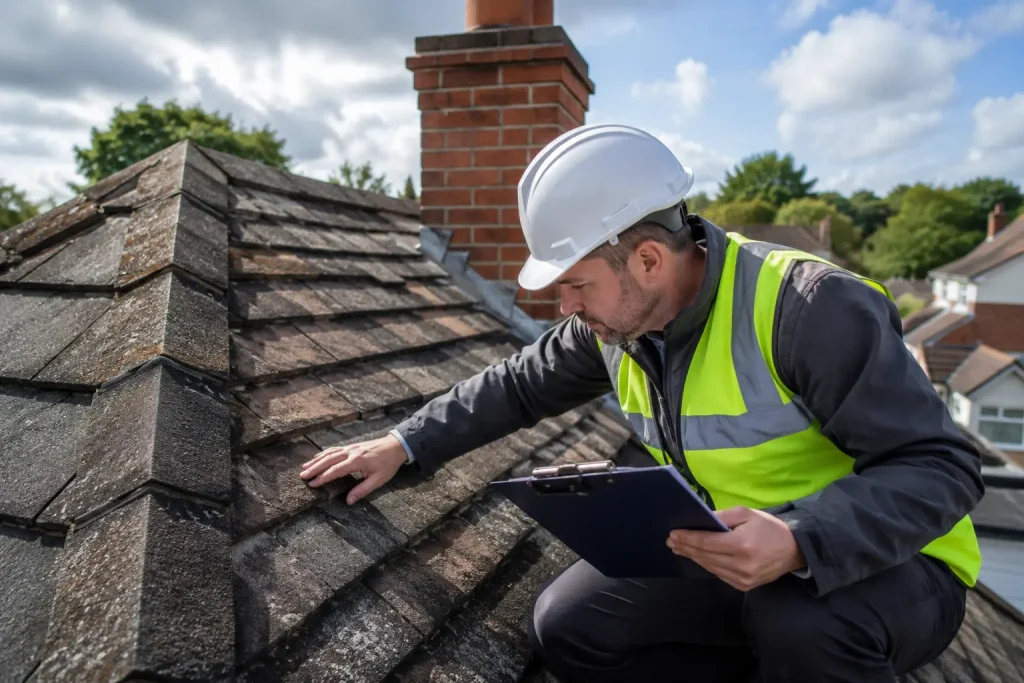
If you suspect your roof may need replacing, the best next step is to arrange a professional inspection. A qualified roofing contractor can:
-
Assess the full extent of visible and hidden damage
-
Estimate remaining lifespan
-
Provide clear cost comparisons between repair and replacement
Tip: Always get at least two or three quotes to compare recommendations and pricing. Reputable contractors will happily explain their findings and outline why replacement (or repair) is the better route for your specific situation.
Final Thoughts
Your roof is an investment that protects everything beneath it. Ignoring early warning signs can lead to bigger, more expensive problems down the line—not to mention the stress and disruption of emergency repairs during bad weather.
By recognising the signs we’ve discussed—age, widespread damage, persistent leaks, rising energy costs, and structural problems—you can make an informed decision about whether to repair or replace.
If you’re based in Cornwall or the surrounding areas, CPS Roofing & Building offers expert advice, free no-obligation quotes, and decades of family-run experience. Whether you need a straightforward repair or a full new roof, we’re here to ensure your home stays safe, dry, and efficient for years to come.