A roof inspection is one of the simplest ways to protect your home before small issues turn into expensive repairs. In this guide, we explain exactly what we check during a professional inspection, why it matters, and how it helps you avoid long-term damage.
At CPS Roofing & Building, we carry out inspections that focus on practical outcomes. We do not just look for problems. We explain what they mean and what you should do next.
What Is a Roof Inspection?
A roof inspection is a detailed check of your roof’s condition. It looks at how well your roof is performing and whether any parts are damaged, worn, or at risk of failure.
We assess both the outside and the internal signs of roof issues. This gives a complete picture of how your roof is protecting your home.
Why Roof Inspections Matter
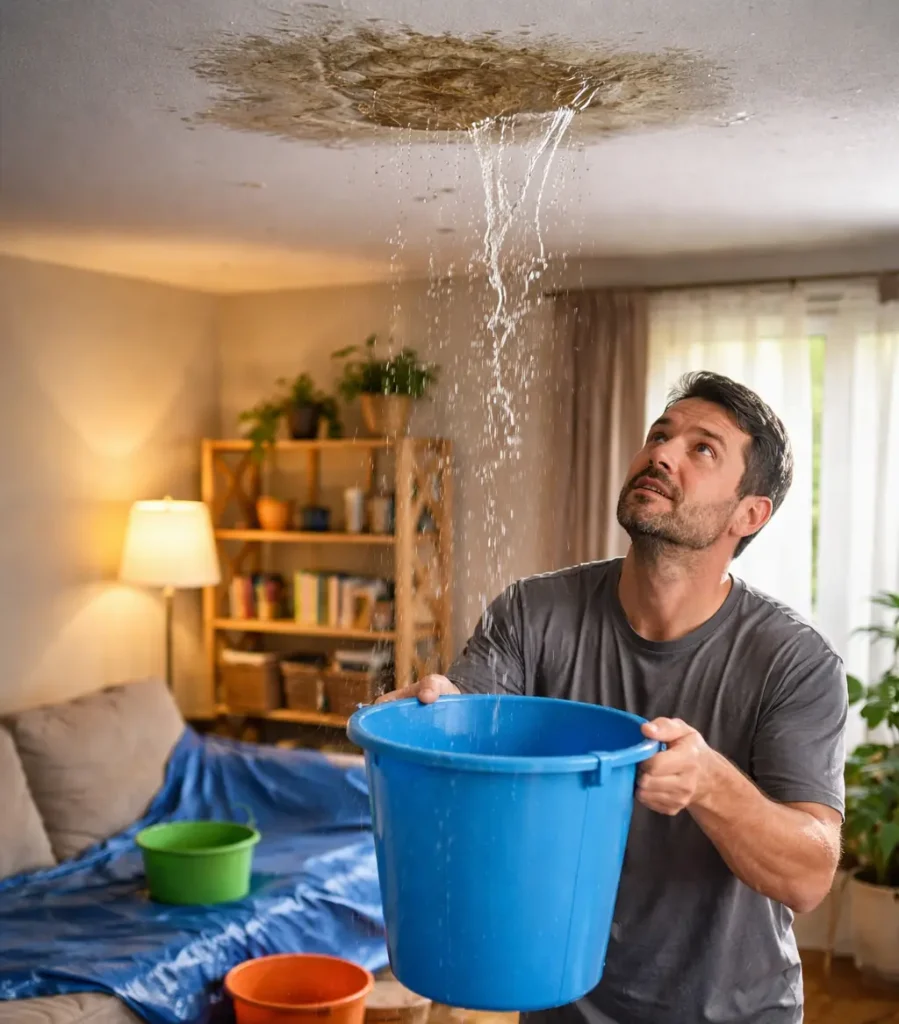
Many roofing problems are not visible from the ground. By the time you notice a leak, the damage has often already spread.
Without regular inspections, you risk:
- Hidden leaks causing structural damage
- Damp and mould inside your home
- Higher repair costs due to delayed action
- Reduced lifespan of your roof
A simple inspection helps you stay ahead of these issues.
What Do We Check During a Roof Inspection?
We follow a structured process to make sure nothing is missed.
- Roof Tiles or Slates
We check for:
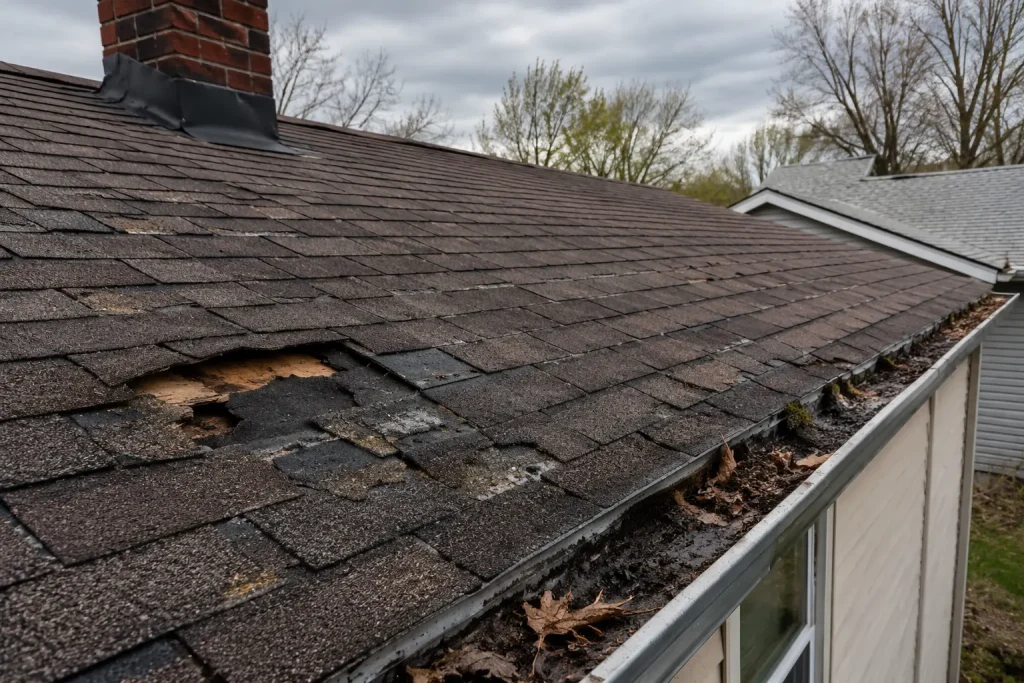
- Cracked, slipped, or missing tiles
- Signs of wear or ageing
- Uneven sections that may indicate deeper issues
Even a single missing tile can allow water to enter your home.
- Flashing and Roof Edges
Flashing protects vulnerable areas such as chimneys and joints.
We inspect:
- Lead flashing condition
- Gaps or lifting around edges
- Signs of water entry points
Faulty flashing is one of the most common causes of leaks.
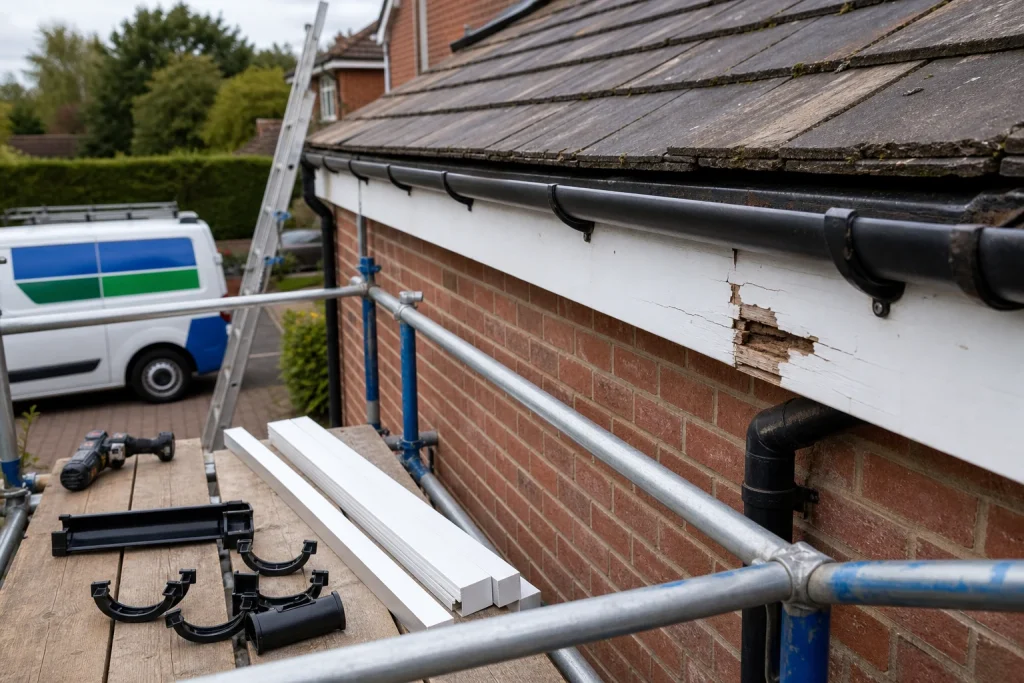
- Gutters, Fascias and Soffits
Your drainage system plays a key role in roof health.
We check:
- Blocked or overflowing gutters
- Cracks or sagging sections
- Damage to fascias and soffits
- Roof Structure and Sagging
We look for signs that the structure may be under stress.
This includes:
- Uneven roof lines
- Soft spots or dips
- Signs of long-term water damage
Structural issues need early attention to avoid major repair work.
- Signs of Water Damage
We check both external and internal indicators such as:
- Damp patches in the loft
- Stains on ceilings
- Mould or condensation
These signs often point to hidden leaks.
- Chimneys and Roof Fixtures
We inspect all fixed elements on the roof.
This includes:
- Chimney stability and pointing
- Roof vents and seals
- Skylights and surrounding areas
Loose or damaged fixtures can quickly lead to leaks.
- General Wear and Ageing
Every roof ages over time.
We assess:
- Overall condition of materials
- Areas nearing the end of their lifespan
- Whether repairs or replacement may be needed
Step by Step: How We Carry Out an Inspection
Our inspection process is simple and thorough:
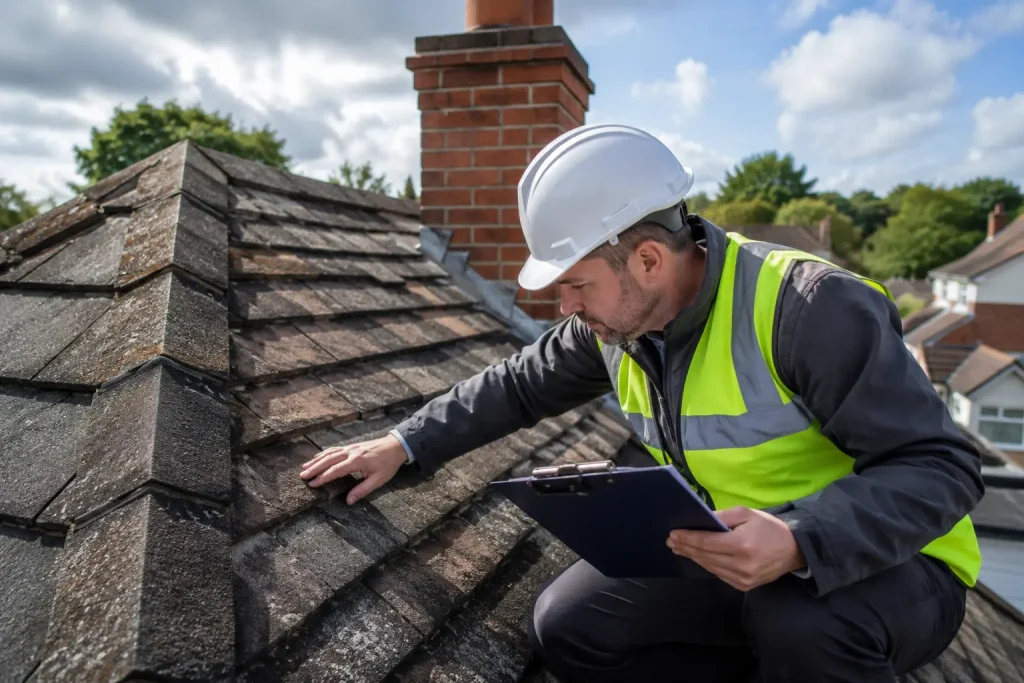
- Initial visual check from ground level
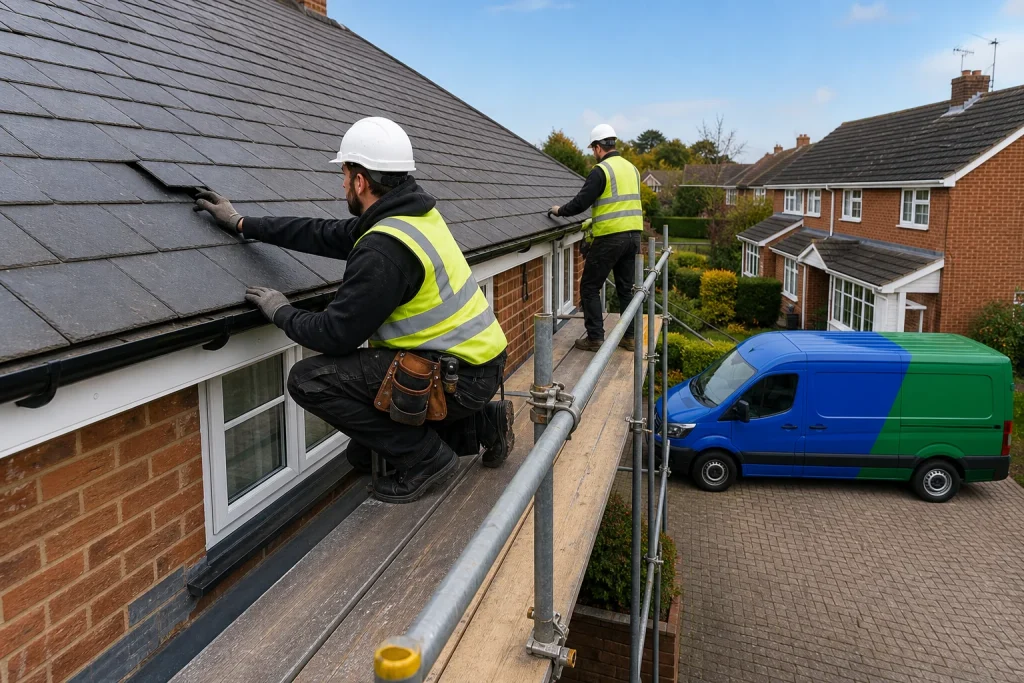
- Safe access to the roof for close inspection
- Detailed check of all components
- Internal inspection if needed
- Clear explanation of findings and next steps
We focus on giving you clear and useful advice rather than technical jargon.
Real Example: Why Inspections Save Money
A homeowner contacted us about a small ceiling stain. It looked minor at first.
During inspection, we found:
- Two slipped tiles
- Damaged flashing near the chimney
- Early signs of timber dampness
The repair was straightforward and affordable.
If left unchecked, it could have led to structural repairs costing thousands.
Common Mistakes Homeowners Make
Many people delay inspections or rely on guesswork.
Here are common mistakes to avoid:
- Ignoring small signs like damp patches
- Assuming the roof is fine without checking
- Trying to inspect the roof yourself
- Waiting until a leak becomes severe
Professional inspections are safer and far more accurate.
Roof Inspection vs Roof Survey
These terms are often confused.
- A roof inspection is a practical condition check that provides clear advice
- A roof survey is more detailed and is often used for property purchases
For most homeowners, a standard inspection is the right starting point.
When Should You Book an Inspection?
We recommend an inspection:
- Once a year for general maintenance
- After heavy storms or strong winds
- Before buying or selling a property
- If you notice leaks, damp, or damage
If you are unsure, it is always better to check early.
Ready to Get Your Roof Checked?
If you want a clear and honest assessment of your roof, we are here to help.
At CPS Roofing & Building, we focus on practical advice, reliable workmanship, and long-term results.
Contact us today to book your roof inspection. A quick check today can save you high costs tomorrow.