When people think about roof protection, their minds often go to sturdy tiles, strong underlayment, or high-quality flashing. Yet one of the most crucial — and often overlooked — components in preserving a roof is the humble gutter system. Properly installed and maintained gutters are essential to protecting your roof, walls, and foundations from water damage. In this post, we’ll explore how gutters work, the problems caused by neglect, and practical tips for keeping them in top condition.
1. The Role of Gutters in Roof Protection
Gutters are designed to channel rainwater and melting snow away from your home’s roofline. Without them, water would simply cascade off the edges, saturating roof components, walls, and the ground around your foundation.
How gutters protect your roof:
-
Preventing standing water: By carrying water away quickly, gutters stop it from pooling on low-slope roofs or near vulnerable edges.
-
Reducing erosion: Runoff directly from the roof can erode landscaping and destabilise foundations, leading to structural issues that can impact the roof over time.
-
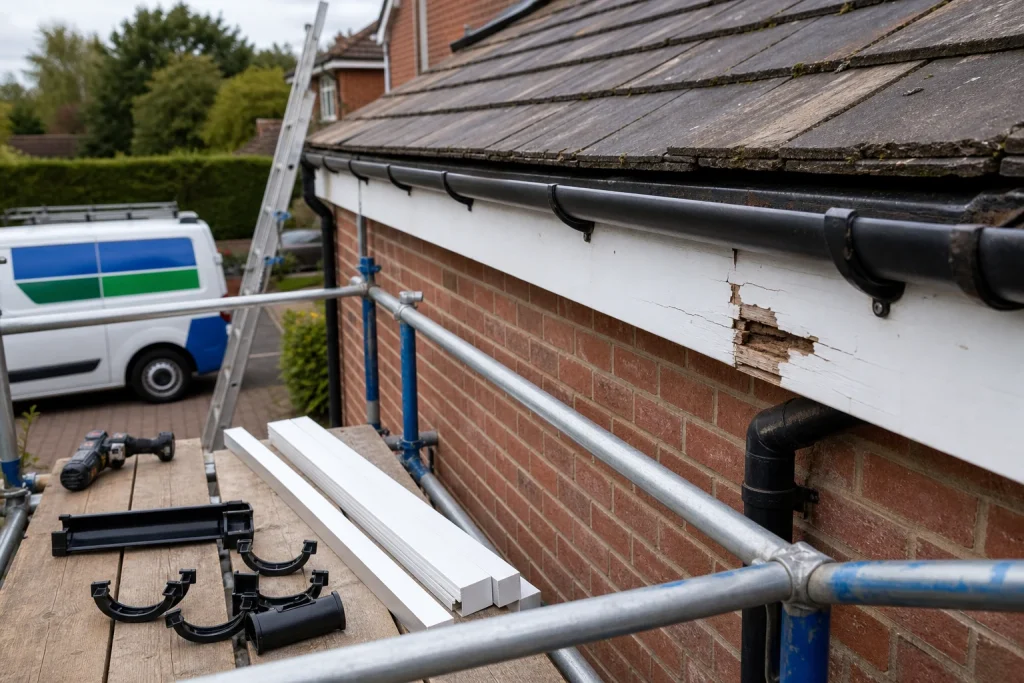
Protecting fascia and soffits: Gutters stop water from running behind the fascia boards and soffits, where rot and mould could otherwise take hold.
2. Problems Caused by Poor or Missing Gutters
Neglecting your gutters can lead to surprisingly expensive roof repairs. Here are some of the most common issues caused by failing or absent gutter systems:
-
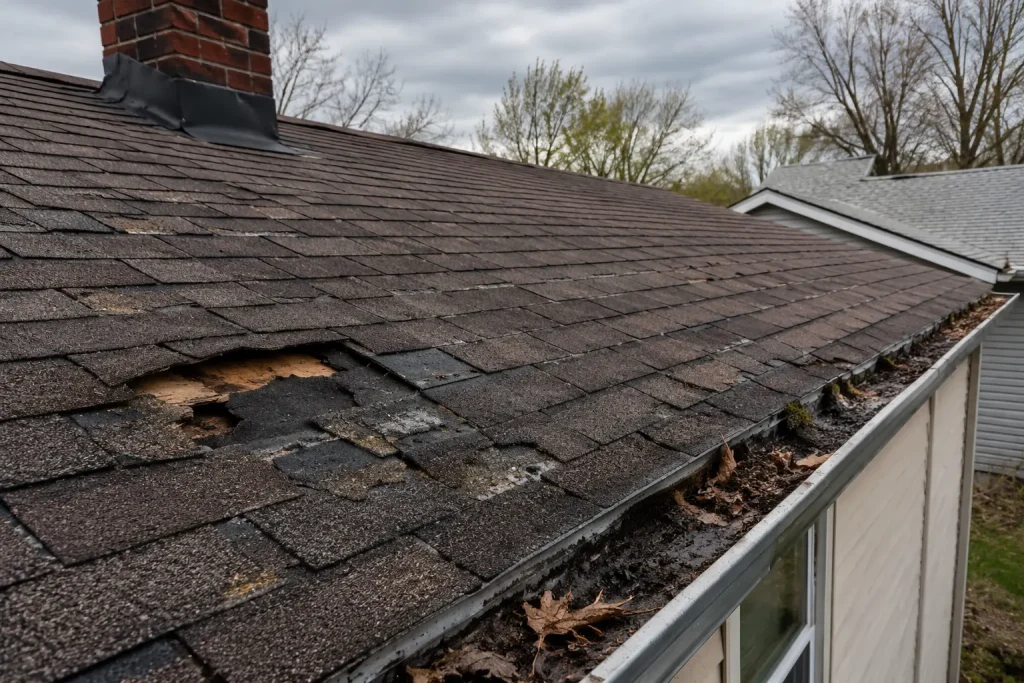
Roof leaks – Water can back up under shingles or tiles, saturating the underlayment and eventually penetrating into your loft space.
-
Fascia and soffit rot – Continuous exposure to moisture will cause wooden roof components to weaken and decay.
-
Ice dams in winter – Poor drainage encourages ice build-up, which can lift roof coverings and allow water ingress.
-
Mould and mildew – Damp roof edges create the perfect breeding ground for unhealthy spores.
-
Foundation damage – Excessive runoff at the base of your home can cause settling and cracks, which indirectly strain the structure of your roof.
3. How Gutters Extend Roof Lifespan
A well-maintained gutter system acts as your roof’s first line of defence against water damage. Here’s how it adds years to your roof’s life:
-
Keeps the roof dry: Moisture is the enemy of most roofing materials. By moving water away quickly, gutters help maintain the integrity of tiles, shingles, or flat roofing membranes.
-
Minimises thermal stress: Damp materials expand and contract more with temperature changes, which can shorten their lifespan. Dry surfaces are more stable.
-
Preserves the structural timber: The rafters, beams, and trusses supporting your roof remain stronger when kept dry.
-
Protects against secondary damage: Gutters prevent problems such as wall cracks or internal leaks, which, if left untreated, can necessitate major roof work.
4. Choosing the Right Gutter System
The right gutters for your home depend on your roof type, budget, and aesthetic preferences. Popular choices include:
-
uPVC Gutters – Affordable, lightweight, and low-maintenance. Ideal for most homes.
-
Aluminium Gutters – More durable and resistant to corrosion, yet still lightweight.
-
Cast Iron Gutters – Traditional look and extremely long-lasting, though heavier and more expensive.
-
Steel Gutters – Strong and good for larger roof areas but can rust without proper coatings.
Tip: Match your gutter capacity to your local rainfall levels and roof size to prevent overflow in heavy storms.
5. Signs Your Gutters Need Attention
Even the best gutter system won’t protect your roof if it’s not in good condition. Keep an eye out for these warning signs:
-
Water spilling over during rain
-
Sagging or pulling away from the fascia
-
Cracks, splits, or rust spots
-
Peeling paint or water stains on walls
-
Plant growth inside the gutters
-
Persistent damp patches around your property’s base
Addressing these issues promptly can prevent them from escalating into roof damage.
6. Maintenance Tips for Long-Lasting Gutters
A proactive maintenance routine can ensure your gutters continue protecting your roof for decades:
-
Clean twice a year – Remove leaves, twigs, and dirt in spring and autumn. More often if trees are nearby.
-
Check alignment – Gutters should slope gently towards downpipes to encourage proper drainage.
-
Inspect for leaks – Seal small cracks with a waterproof sealant before they grow.
-
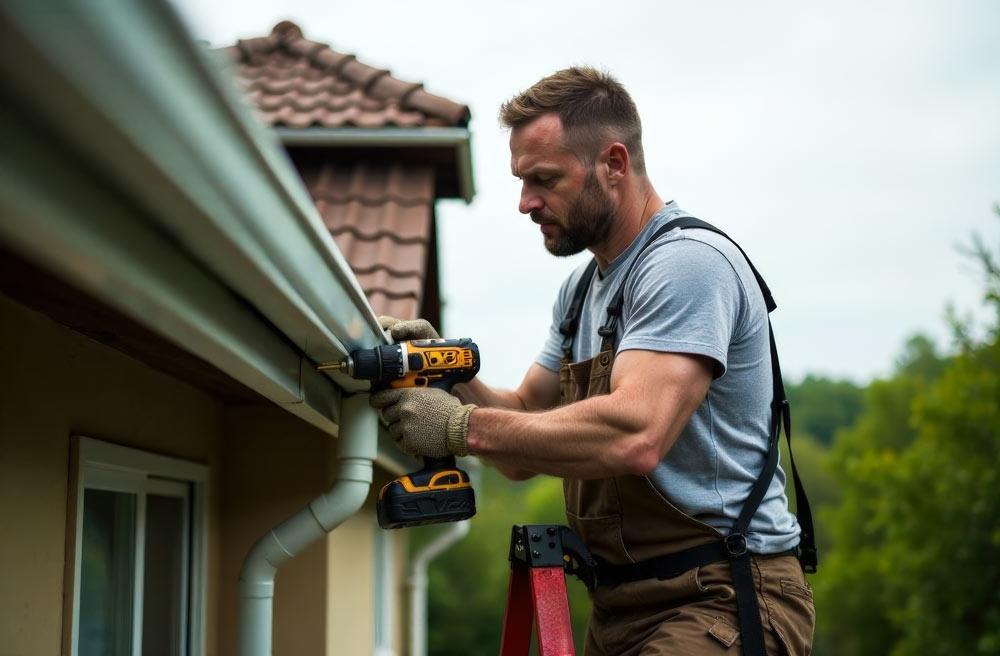
Secure brackets – Loose fittings can cause gutters to sag or detach during heavy rain.
-
Consider guards – Gutter guards can reduce debris build-up and cut cleaning time.
7. When to Replace Gutters
Sometimes, repairs aren’t enough. If your gutters show extensive rust, have multiple holes, or no longer fit properly to your roofline, replacement may be the most cost-effective option. Modern systems often offer improved water flow, better resistance to UV and weather damage, and sleeker profiles to match your home’s design.
8. The Cost of Neglect vs. Maintenance
Regular gutter care is far less expensive than repairing the damage caused by neglect. Clearing gutters may cost a modest amount each year, while replacing rotten fascia boards, repairing internal leaks, or replacing damaged roofing could run into the thousands.
Think of gutter maintenance as an investment — one that pays back many times over by extending the lifespan of your roof and protecting your home’s structural integrity.
Conclusion
Your roof is one of the most valuable components of your home, and gutters are its unsung hero. By directing water away from vulnerable areas, gutters protect not only the roof covering but also the underlying structure, walls, and foundation. Regular cleaning, inspection, and timely repairs ensure your gutter system performs at its best, ultimately adding years to your roof’s life and saving you money in the long run.
If your gutters need attention or you’re considering upgrading to a more durable system, now is the perfect time to act. A small investment today could mean avoiding major roofing problems tomorrow.